


 Image Source
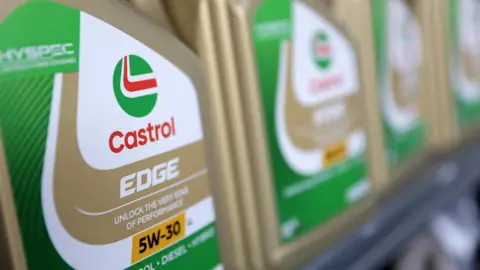
BP has struck a $6 billion deal to divest a controlling interest in its lubricants business Castrol to a American investment group.
The Specifics Behind the Transaction
The oil giant sold a 65% stake in Castrol, which produces lubricants for automobiles, bikes, and commercial machinery, to New York-based Stonepeak.
This deal valued Castrol at $10.1 billion, with BP receiving $6 billion cash, which it will use to pay down debts and allow it to focus on its primary operations.
BP will hold onto a 35% stake in Castrol, which it originally acquired in the year 2000.
Strategic Shift and Asset Sales
The London-based energy corporation stated the sale is a "key moment" in its plans to overhaul its business and strip out costs.
BP earlier this year revealed intentions to divest $20bn worth of assets in a bid to focus on its primary fossil fuel operations and fortify its balance sheet.
Following today's deal and previous announcements, the company says it is over half way to meeting that target.
It is also shifting its strategy away from investment in renewable power and renewing its focus on oil and gas following pressure from some investors who were frustrated that its earnings and stock value had trailed rivals.
Sector Trends and Executive Updates
Rivals such as Shell and Norway's Equinor have also scaled back plans to invest in renewables.
The Castrol sale arrives a week after BP unveiled its inaugural woman CEO, Meg O'Neill, who will take the helm in April 2026.
Her surprise appointment came only three months after BP named a new board chair, Albert Manifold.
And she was given the CEO role less than two years after Murray Auchincloss took over from Bernard Looney as CEO.
Ongoing Portfolio Streamlining
This recent transaction is the most recent in a line of sales by the company, which have included selling its US onshore wind energy business and its Dutch mobility and convenience arm.
Interim chief executive Carol Howle said the sale is a "very good outcome for all stakeholders".
"We are reducing complexity, concentrating our refining and marketing on our leading integrated businesses, and speeding up the execution of our strategy," she stated.


